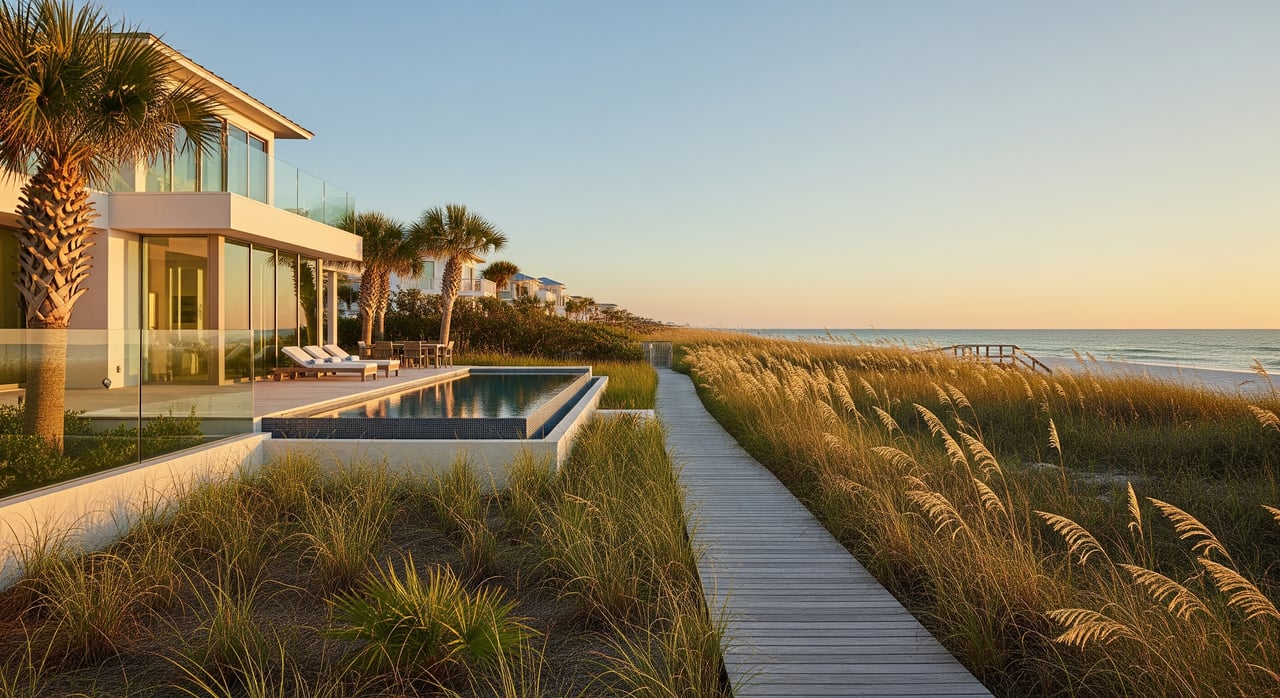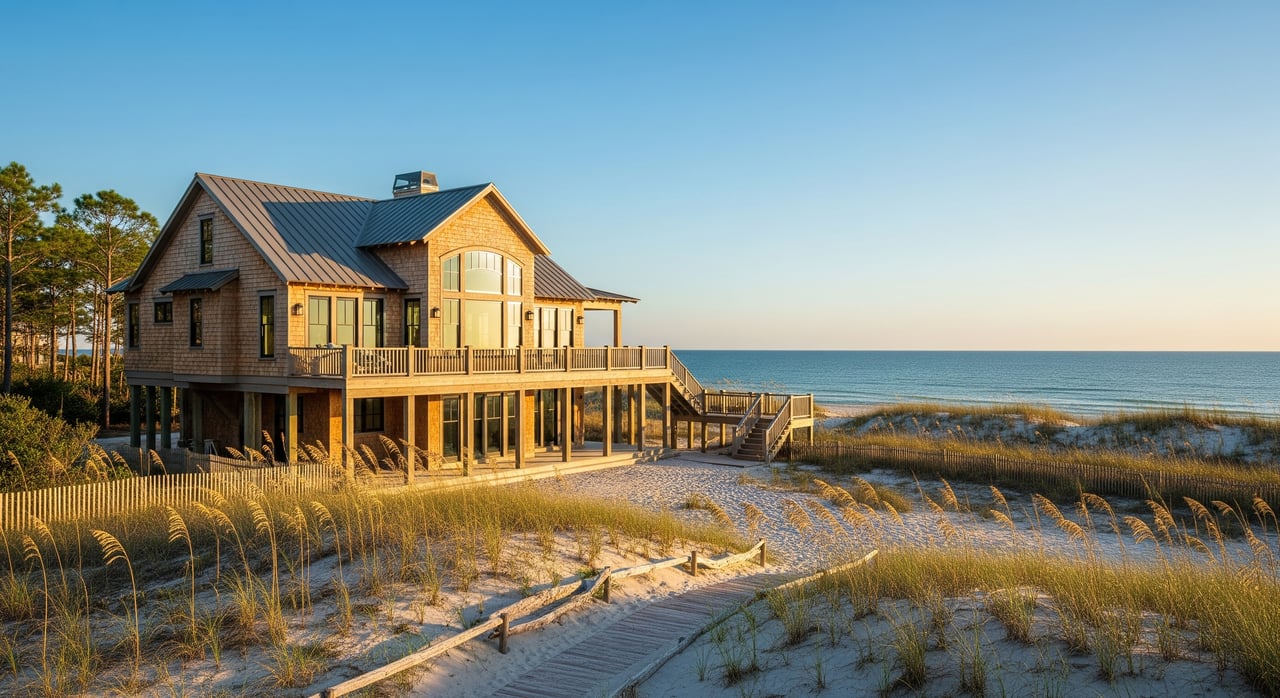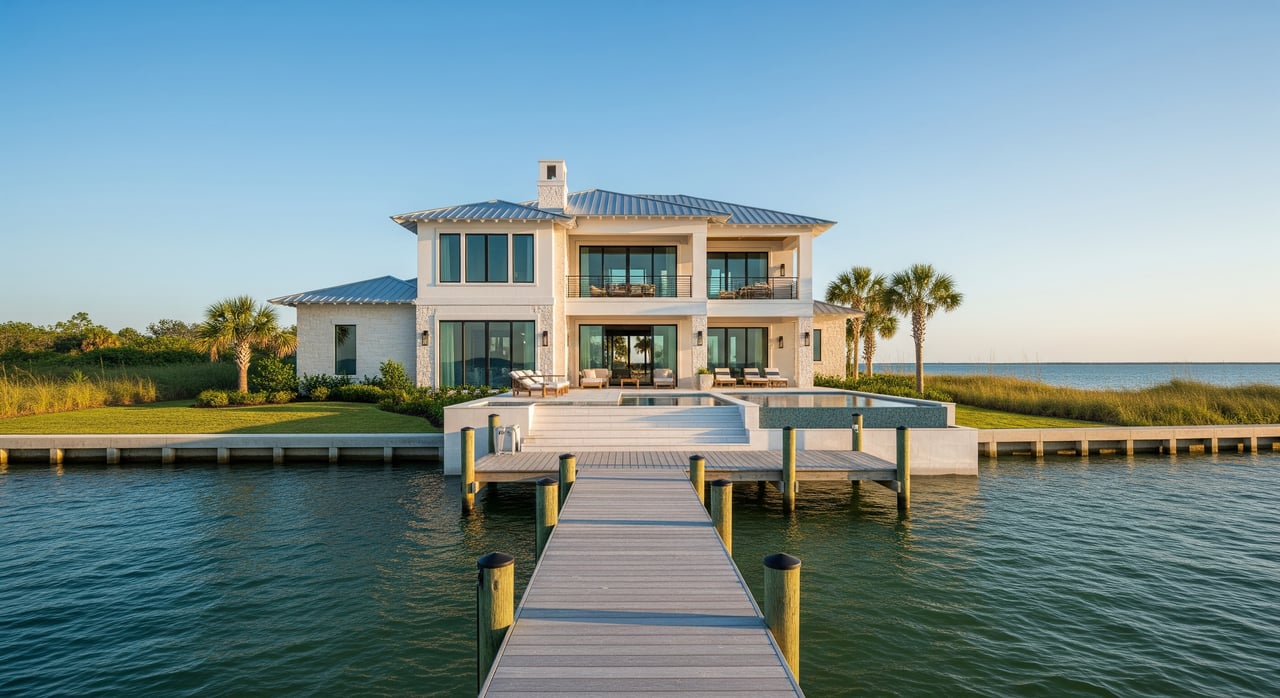
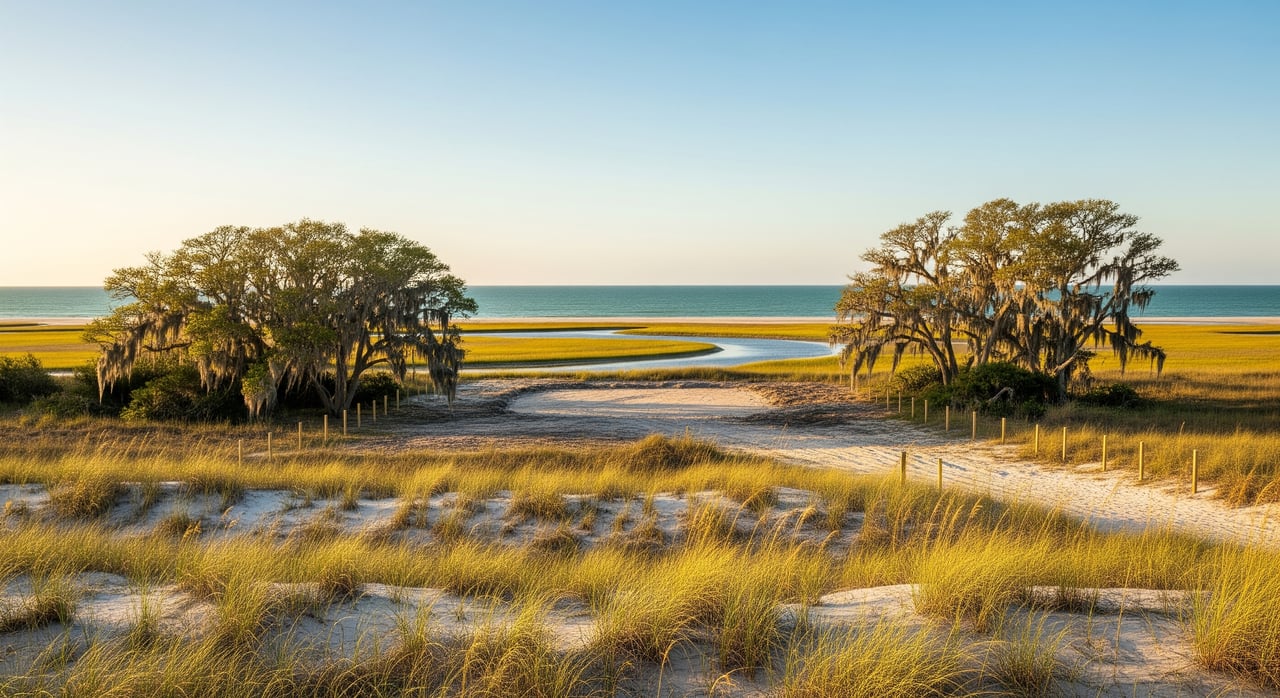
Buying a slice of shoreline in Indian Pass is exciting, but coastal land comes with rules and risks that you do not face inland. If you plan ahead, you can avoid costly surprises and set your project up for success. In this guide, you will learn the key steps to research a parcel, confirm what you can build, understand flood and environmental constraints, and map the permit path before you buy. Let’s dive in.
Why Indian Pass land is unique
Indian Pass sits on a dynamic barrier spit in Gulf County. That beauty comes with coastal factors you need to check early. Flood zones, storm surge exposure, dune protection, and shoreline change all influence what you can permit and build.
Two designations often shape feasibility. Florida’s Coastal Construction Control Line (CCCL) can require extra state review for structures near the beach. The federal Coastal Barrier Resources System (CBRS) may limit access to federal flood insurance for certain areas. You will confirm both before you make an offer.
Step 1: Confirm what you can build
Before you negotiate price, verify that your intended use fits the parcel.
Check zoning and setbacks
Call Gulf County Planning and Zoning to verify the zoning district, allowed uses, minimum lot area, setbacks, height limits, and any coastal overlays. Ask about lot coverage or impervious surface limits and whether accessory units are allowed. Local rules can affect footprint, height, and where you can place a home or driveway. Start at the county’s official site for department contacts and current procedures on the Gulf County website.
Verify legal access and road status
Confirm that the parcel has recorded legal access and that the road is public or an easement you can use. If it is private, ask who maintains it and whether there are road or HOA dues. Title exceptions and access gaps can delay or prevent building.
Review title, easements, and restrictions
Order a preliminary title commitment. Look for utility, drainage, or dune conservation easements, as well as covenants that restrict building types, rentals, or construction timing. Ask the seller for any surveys, covenants, or disclosures to speed up your review, then verify independently.
Step 2: Assess flood and coastal risk
Flood exposure and wave action are central to your design and insurance plan in Indian Pass.
- Review FEMA Flood Insurance Rate Maps on the FEMA Map Service Center to identify your flood zone and Base Flood Elevation (BFE). VE zones face wave action and usually require elevated pile foundations. AE zones still require elevation and flood-resistant design.
- Check Florida’s CCCL. If the lot is seaward of or within CCCL jurisdiction, you will need additional state review from the Florida Department of Environmental Protection (DEP). Learn the basics on the DEP’s Coastal Construction Control Line page.
- Confirm whether the parcel falls inside a CBRS unit, which can affect eligibility for federal flood insurance. Review the U.S. Fish and Wildlife Service program overview for the Coastal Barrier Resources System.
- Ask about local shoreline change and beach projects that may influence erosion trends or future maintenance needs. A topographic survey and historical aerials can help you visualize changes at the site level.
Step 3: Order surveys and studies during contingencies
Aim to complete core due diligence during the inspection period so results can inform price and terms.
Boundary and topographic surveys
A boundary survey confirms the legal parcel, encroachments, and recorded easements. A topographic survey maps elevations, vegetation, dunes, and water features, which you will need for site planning and permit submittals. Lenders may require an ALTA/NSPS survey for larger or commercial projects.
Elevation reference and BFE planning
Use survey data to compare existing grade to FEMA BFE. Your designer will set finished floor elevations and foundation type accordingly. An elevation certificate is commonly needed after construction for insurers and lenders.
Geotechnical soils report
A geotechnical investigation guides foundation design and costs. On barrier spits, pile or pier foundations are common. The report will note bearing capacity, any organics, and groundwater depth that affect piling length, slab options, and dewatering needs.
Septic feasibility and perc testing
If central sewer is not available, you will need perc tests and a septic design approved by the county health authority. High water tables and sensitive estuarine areas can require advanced treatment systems. Confirm feasibility before you close.
Wetland delineation and coastal resource checks
Hire a qualified biologist to flag any jurisdictional wetlands or surface waters. Work that impacts wetlands or open waters can require permits from Florida DEP and the U.S. Army Corps of Engineers. For federal permitting, start with the Jacksonville District’s Regulatory resources.
Phase I Environmental Site Assessment (as needed)
If you suspect prior industrial, fueling, or waste activities, a Phase I ESA can identify recognized environmental conditions and whether testing is warranted.
Wildlife and seasonal work windows
Sea turtle and shorebird nesting seasons can limit construction timing, lighting, and beach staging. Review Florida Fish and Wildlife Conservation Commission guidance on sea turtle lighting and plan schedules and lighting designs that comply with local conditions.
Step 4: Map your permit path
Indian Pass permitting involves local, state, and sometimes federal approvals. Lining up the sequence saves time.
- County building and land development. Gulf County issues building permits and enforces the Florida Building Code. Expect floodplain administration, plan review, and inspections. Coordinate early with Planning and Zoning on coastal overlays and setbacks. Use the Gulf County website for department contacts.
- Florida DEP coastal program. Projects seaward of or near the CCCL, as well as certain stormwater or surface water activities, need state review. See DEP’s CCCL basics and the Environmental Resource Permit program overview under Submerged Lands and Environmental Resources coordination.
- U.S. Army Corps of Engineers. If you propose dredge or fill in wetlands or work in navigable waters, you may need federal authorization under Sections 404 or 10. Start with the Jacksonville District Regulatory guidance.
- Septic approvals. If onsite sewage is required, secure county health approvals with your perc test data and system design.
- Flood insurance and elevation compliance. Building in FEMA zones requires adherence to floodplain standards and elevation requirements.
Typical workflow: submit site plan, topo, and geotech for county review, pursue DEP CCCL or ERP approvals if required, apply to USACE when wetlands or shoreline work is proposed, secure septic approvals, then obtain your county building permit. Reviews can take weeks to several months, especially when state or federal permits are involved.
Step 5: Plan utilities and site infrastructure
Utility availability can make or break the budget on a coastal lot, so confirm early.
- Water. Ask the county or nearby district about public water availability. If no central service exists, understand well feasibility and quality considerations.
- Sewer or septic. Many barrier areas rely on septic. Get perc results and quotes for standard or advanced systems, and confirm any special requirements near sensitive waters.
- Electric and communications. Request a service availability letter and a cost estimate to extend power to your site. Internet may be limited to cellular, fixed wireless, or satellite in some pockets. Factor both cost and lead time into your plan.
- Stormwater and erosion control. Expect limits on grading and dune alteration. Your site plan will need erosion and sediment controls during construction and long-term dune protection measures where applicable.
- Access and construction staging. Narrow beach roads and tides can limit heavy equipment and delivery windows. If you need to stage near the beach, ask about permits and seasonal restrictions.
Step 6: Choose a coastal builder and design smart
Hire a builder with coastal experience in Gulf County who understands wind, flood, and permitting details. Verify licensing, insurance, and a local portfolio of elevated, pile-supported homes.
- Florida Building Code. Coastal projects must meet wind, structural, elevation, and energy standards. Learn more on the Florida Building Code site.
- Foundation and elevation. Expect pile or pier systems in VE zones and where BFE dictates. Elevate living areas, mechanicals, and critical utilities above required levels.
- Openings and tie-downs. Specify impact-rated windows and doors, proper connectors, and hurricane ties.
- Lighting and timing. Plan turtle-friendly lighting and schedules that respect nesting season and permit conditions.
Budget and timeline basics
From first offer to permit-ready plans can take several months in a coastal setting. State and federal permits can extend timelines. Keep a contingency for utility extensions, septic, pile foundations, and potential wetland mitigation. Ask lenders about land and construction loan requirements, and request preliminary flood and wind insurance quotes so you can model carrying costs accurately.
Buyer checklist for Indian Pass land
Use this sequence to keep due diligence on track.
- Pre-offer
- Confirm zoning, setbacks, access, flood zone, and any covenants.
- Check CCCL and potential CBRS status.
- Request seller’s survey, disclosures, and utility details.
- Under contract (inspection period)
- Order boundary and topographic surveys.
- Commission geotechnical and wetland delineation reports.
- Conduct perc testing and septic feasibility.
- Obtain utility availability letters and preliminary cost estimates.
- Order a Phase I ESA if there are risk factors.
- Permit planning
- Meet with Gulf County Planning and Building to review submittals.
- Initiate DEP and, if needed, USACE pre-application conversations.
- Consult FWC or USFWS guidance for seasonal constraints.
- Financing and insurance
- Confirm land or construction loan requirements.
- Get preliminary wind and flood insurance quotes. If CBRS applies, confirm options.
- Final review and close
- Resolve title, access, and easement issues.
- Use findings to negotiate repairs, credits, or price adjustments.
- After closing
- Complete permit applications, finalize engineering, and schedule pre-construction inspections.
Common pitfalls to avoid
- Underestimating utility and infrastructure costs. Get written quotes early for power, septic, and water.
- Ignoring flood and erosion risk. Use FEMA data and quality surveys to set elevation and foundation strategies.
- Overlooking environmental constraints. CCCL jurisdiction, wetlands, or protected species can change design, timing, and cost.
- Hiring an inexperienced builder. Choose a team with coastal permitting and pile-foundation experience in Gulf County.
- Relying only on seller documents. Always verify with independent surveys, title research, and county records.
Local agencies and resources
- FEMA Flood Map Service Center for flood zones and BFE: FEMA MSC
- Florida DEP CCCL program and coastal permitting: CCCL overview and ERP coordination
- USACE Jacksonville District for wetlands and shoreline work: Regulatory
- USFWS for CBRS mapping and policy: CBRS program
- FWC for sea turtle and shorebird nesting guidance: Sea turtle lighting
- Gulf County government for planning, building, and health contacts: Gulf County
- Florida Building Code standards: Florida Building Code
Ready to evaluate a specific Indian Pass lot? We can help you sequence due diligence, coordinate local experts, and negotiate based on real findings. Connect with the Homes with Hof Team to schedule a free consultation and get a clear path from offer to permit-ready plans.
FAQs
What should I check first when buying Indian Pass land?
- Start with zoning, setbacks, legal access, flood zone and BFE, and whether CCCL or CBRS applies to the parcel.
How do I confirm flood risk and elevation needs?
- Use the FEMA Map Service Center to find your flood zone and BFE, then compare survey elevations to set finished floor and foundation type.
What is the CCCL and why does it matter?
- The CCCL marks areas where coastal construction faces special review by Florida DEP; building seaward of it can require state permits and added design conditions.
Could my lot be in the CBRS and what changes if it is?
- If inside a CBRS unit, federal flood insurance may not be available; verify status using USFWS resources and discuss alternatives with your insurance advisor.
Will I need a septic system in Indian Pass?
- Possibly; if central sewer is not available, you will need perc testing and a county-approved design, and sensitive areas may require advanced systems.
Do I need permits for work near wetlands or the shoreline?
- Yes, impacts to wetlands or navigable waters can require state ERP approval and USACE permits; start with DEP and Jacksonville District guidance.
How long do coastal permits take in Gulf County?
- Expect weeks to months for county reviews and several months for state or federal permits when wetlands or CCCL factors are involved.